
.png?sfvrsn=6d0e27cd_1 "Partnership for Change - v7 (1)")


Johannesburg | 18 November 2025
At a pivotal moment in global politics - amid intensifying conflicts, climate shocks, and stalled progress on the SDGs, the G20 Social Summit placed Women’s, Newborns’, Children’s, and Adolescents’ Health (WNCAH) firmly in the spotlight. The Global Leaders Network (GLN), together with Civil 20, Youth 20, Women 20, Children 20, and PMNCH, convened more than 800 global and local stakeholders to push for bold G20 action on preventable maternal and child deaths.
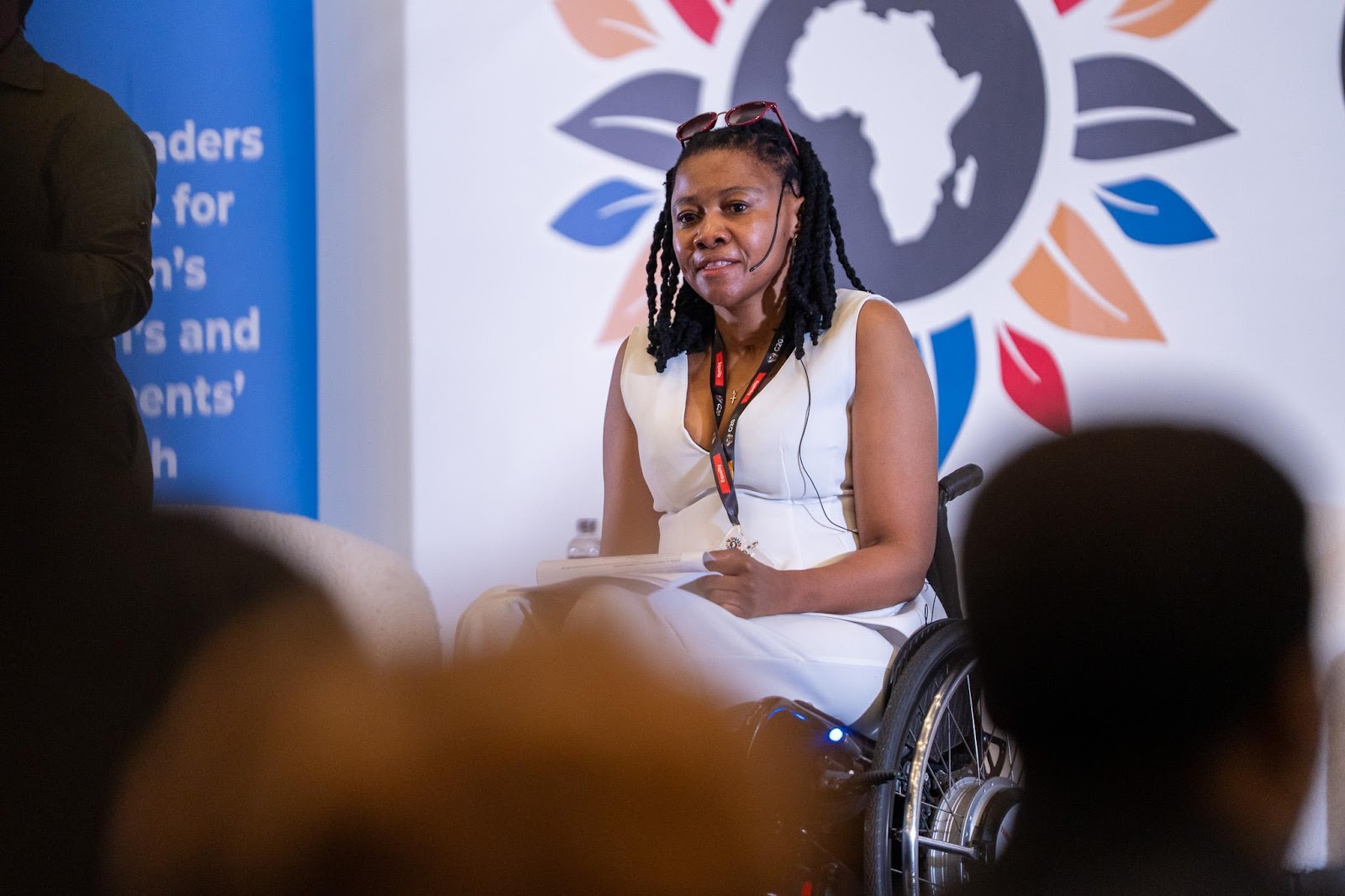
Opening the session, Dr. Zukiswa Yoliswa Zinhle Nzo, 2nd Deputy Chair of the Civil 20, called the moment “where global influence meets moral obligation,” underscoring that 46 countries remain off-track on SDG targets and 59 are falling behind on reducing under-5 mortality.
A Call for G20 Leadership
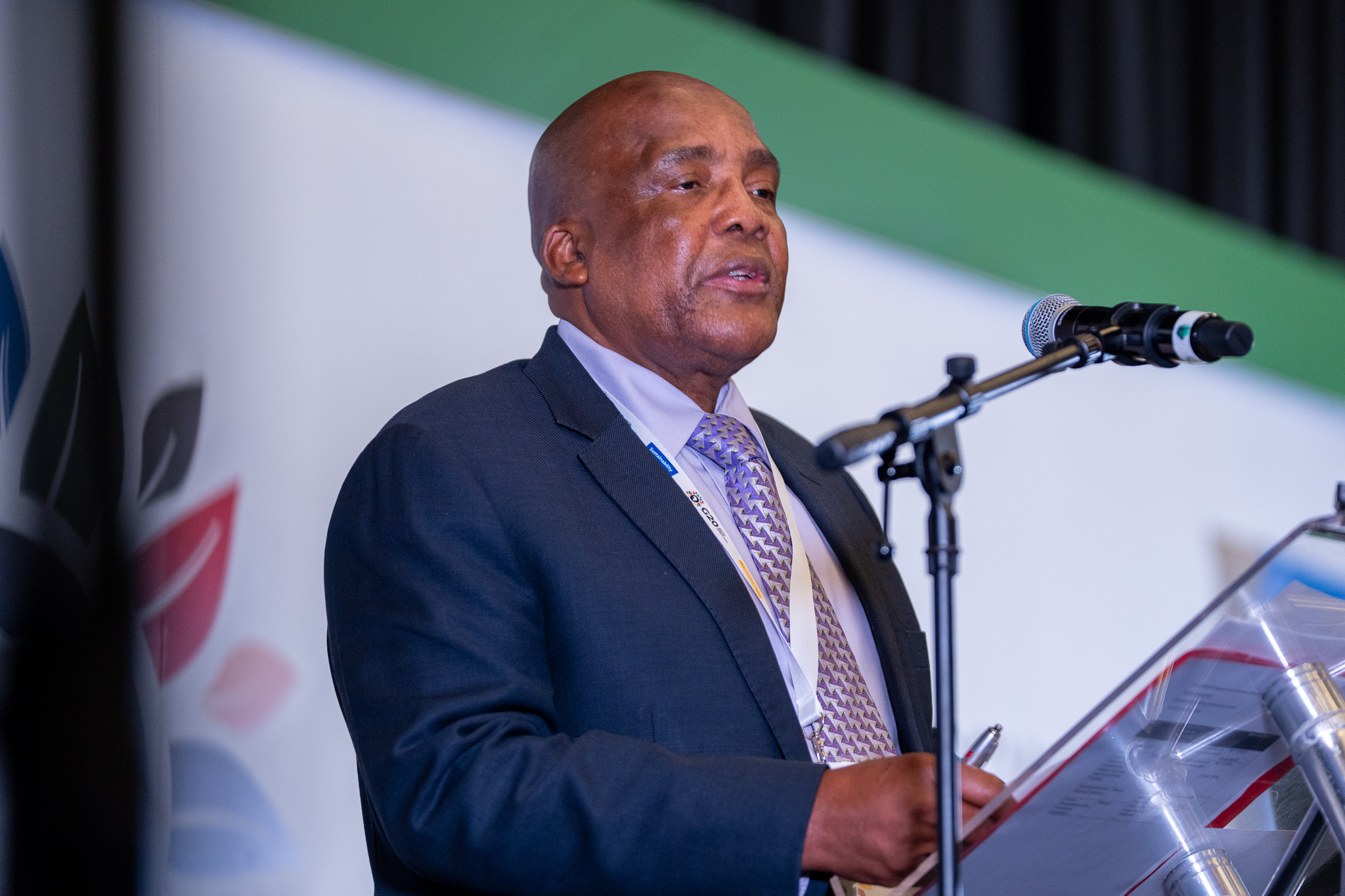
South Africa’s Minister of Health and GLN Chair, Dr. Aaron Motsoaledi, urged the G20 and African Union to place WNCAH as a standing agenda item, emphasizing that sustainable financing, expanded SRHR access, and political accountability are essential to reversing preventable deaths.
“The Global Leaders Network was established to drive political accountability and resource mobilisation across the Global South,” he said. “We are united to cut maternal, neonatal, and adolescent mortality by one-third by 2030.”
Africa’s Demographic Future on the Line
Nardos Bekele-Thomas, CEO of AUDA-NEPAD, warned that Africa’s demographic trajectory, 70% of the population under 35, represents either a dividend or a disaster.
She stressed that SRHR must be depoliticized and prioritized, arguing that investments in women, children and adolescents are foundational to socioeconomic transformation and stability across the continent.
A Keynote Rooted in Global Volatility
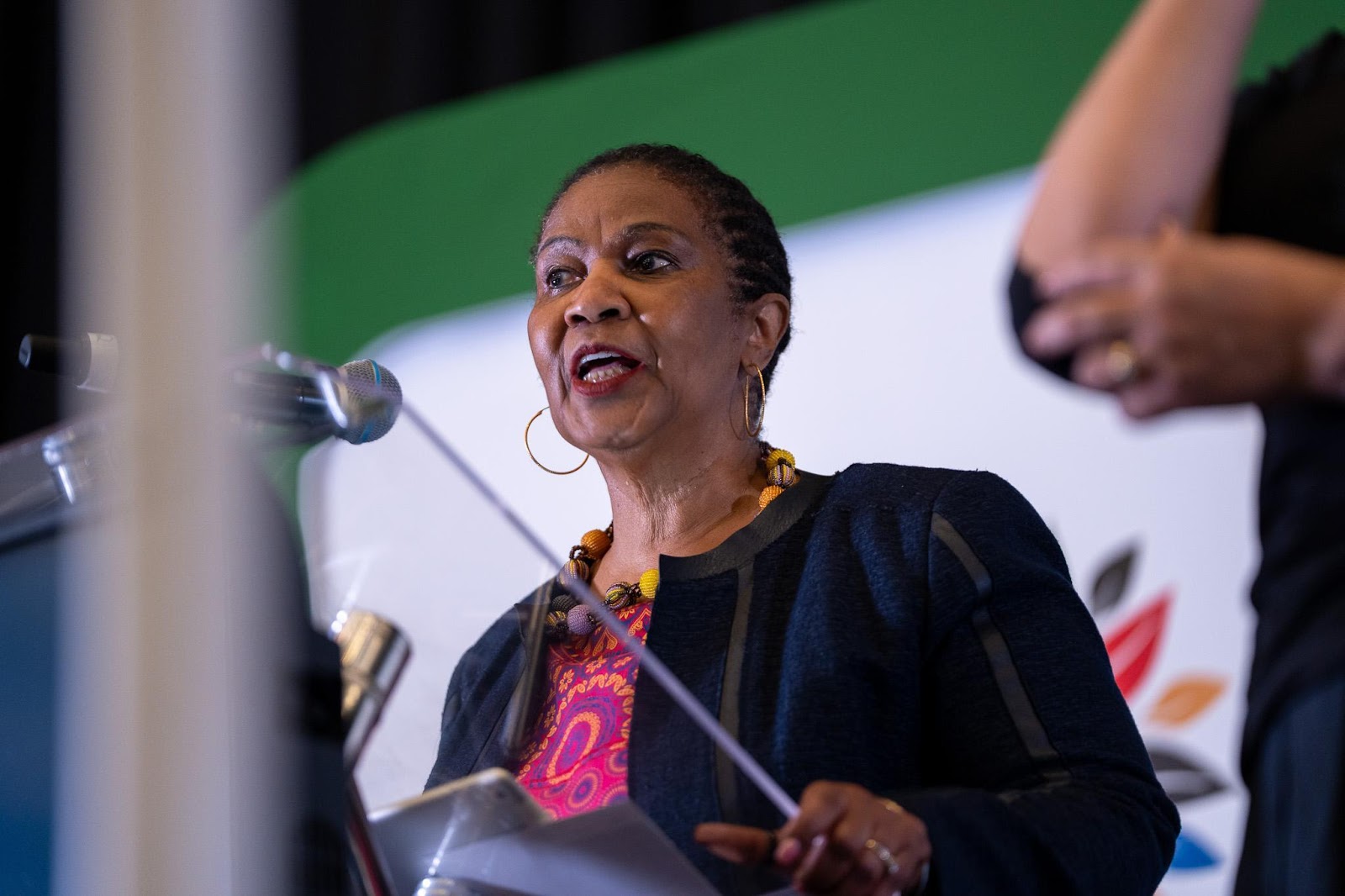
Former UN Women Executive Director and former Deputy President of South Africa, Dr. Phumzile Mlambo-Ngcuka, delivered a powerful keynote situating the G20 Social Summit within the “volatile, uncertain global moment” facing women and girls worldwide.
She spotlighted the ongoing realities of child marriage, malnutrition, and FGM, and reminded participants that over 700000 women still die every year from preventable causes, most of them in Sub-Saharan Africa.
“Africa must do it for Africa. The Global South must do it for the Global South,” she stated. “We must act not because we are told to, but because it is right.”
Panel Highlights
The first panel sounded an urgent alarm on preventable maternal deaths, linking the crisis to escalating climate shocks that disrupt access to essential SRHR services. Speakers argued that women’s health is a core economic issue, pointing to the trillions in unpaid care work, and stressed the need to treat adolescents as a distinct demographic to unlock Africa’s demographic dividend. They highlighted how locally tailored, data-driven solutions, paired with domestic financing, can rapidly reduce maternal and newborn deaths. Their message was clear: WNCAH is a climate, economic, and political priority that requires targeted investment and national action plans grounded in global standards.
The second panel underscored civil society’s central role in shaping global health policy. Investing in community health workers emerged as a high-impact strategy for building resilient systems, while panelists insisted that civic voices must be included - not consulted as an afterthought - to ensure rights-based, context-driven policies. Framing maternal deaths as governance failures, the panel broadened the conversation to gender equality, accountability, and digital rights, warning that shrinking civic space threatens progress. They called for protecting women human rights defenders online and offline. The takeaway: inclusive governance, grassroots investment, and digital freedom are essential pillars for advancing global health and equity.
Global Partners Weigh In
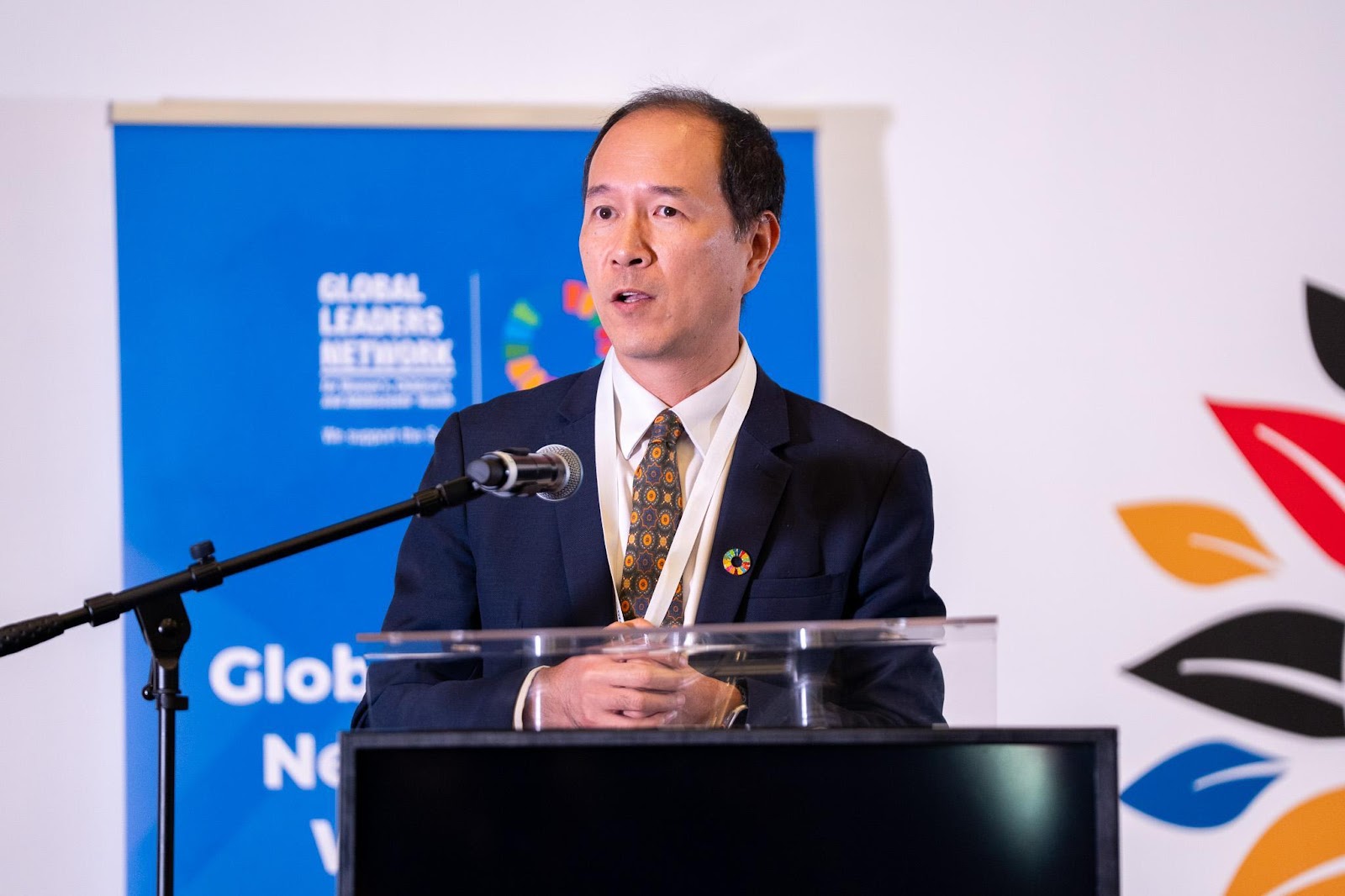 | 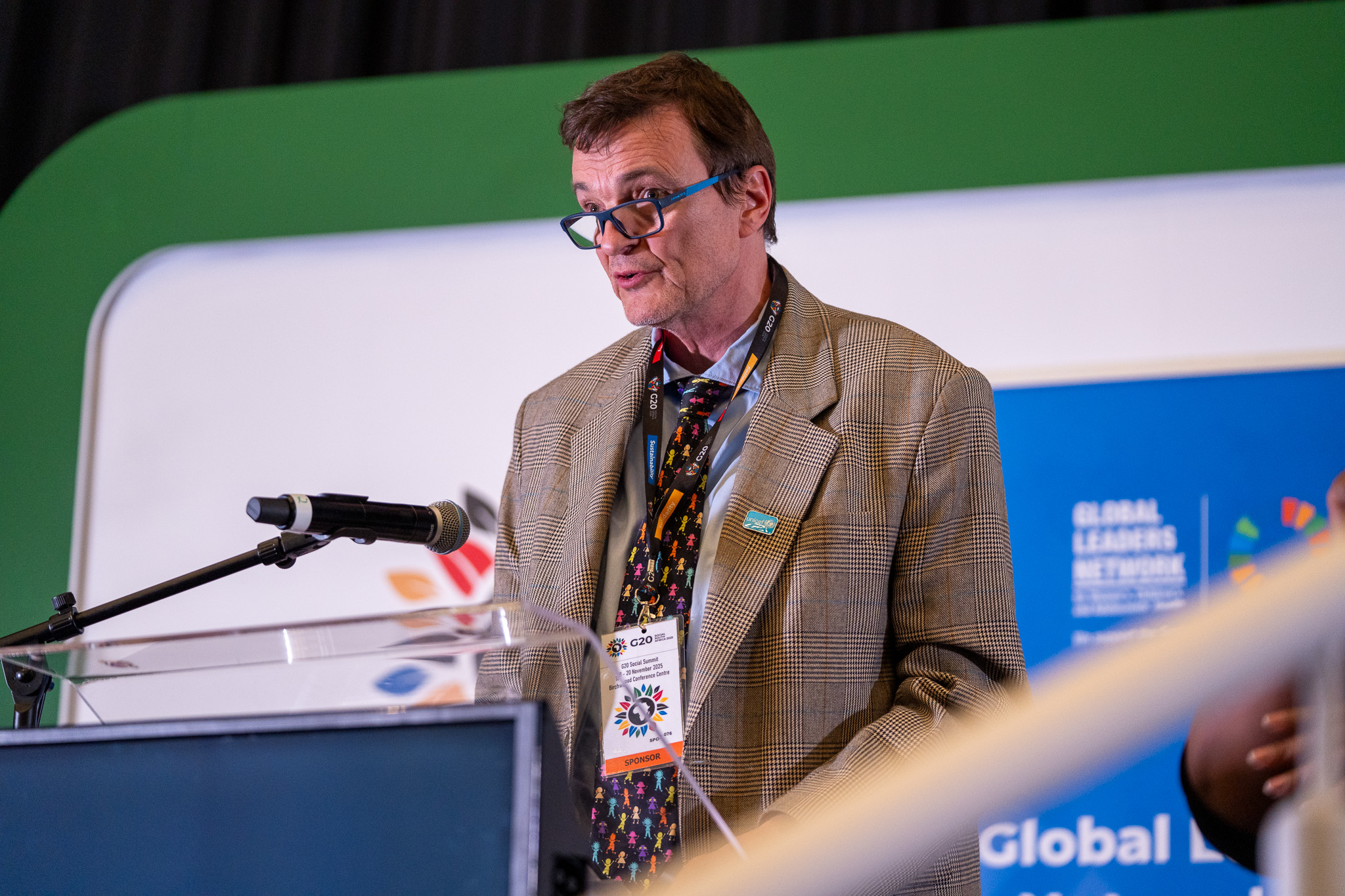 | 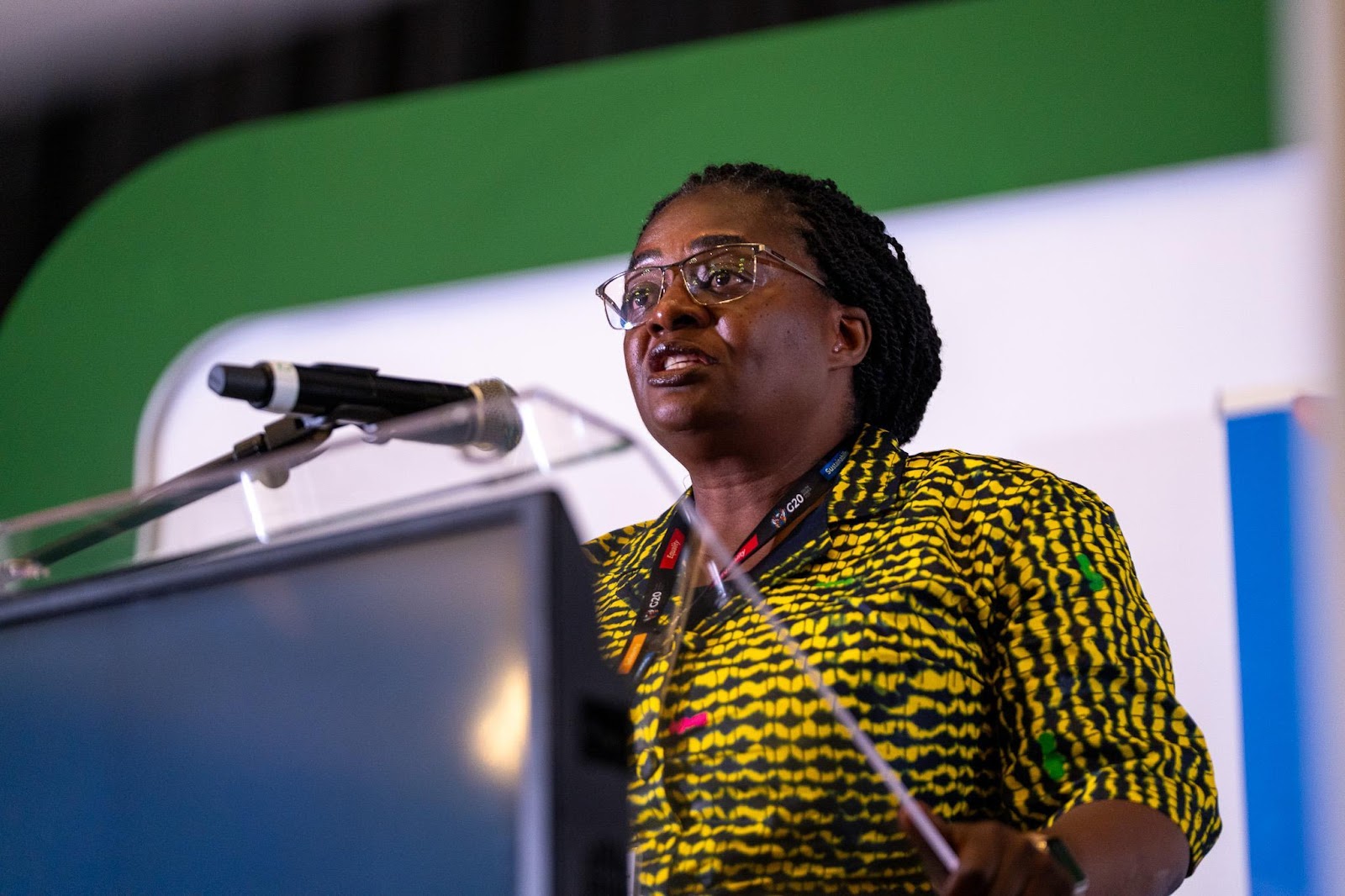 |
| UNFPA – Yu Yu | UNICEF – Johannes Wedenig | Gates Foundation – Cynthia Mwase |
UNFPA’s Yu Yu praised GLN for “bold global health diplomacy” and reaffirmed UNFPA’s commitment to UHC and innovative financing.
UNICEF Representative Johannes Wedenig warned that child survival gains are stalling, noting that a child’s future still “depends on where they are born.” He urged the G20 to prioritize WNCAH as a core development and equity issue.
Cynthia Mwase of the Gates Foundation highlighted the Foundation’s unprecedented commitment of $200 billion over 20 years, with Africa as the primary focus: “No woman, no child, no adolescent, no youth should die an unnecessary death.”
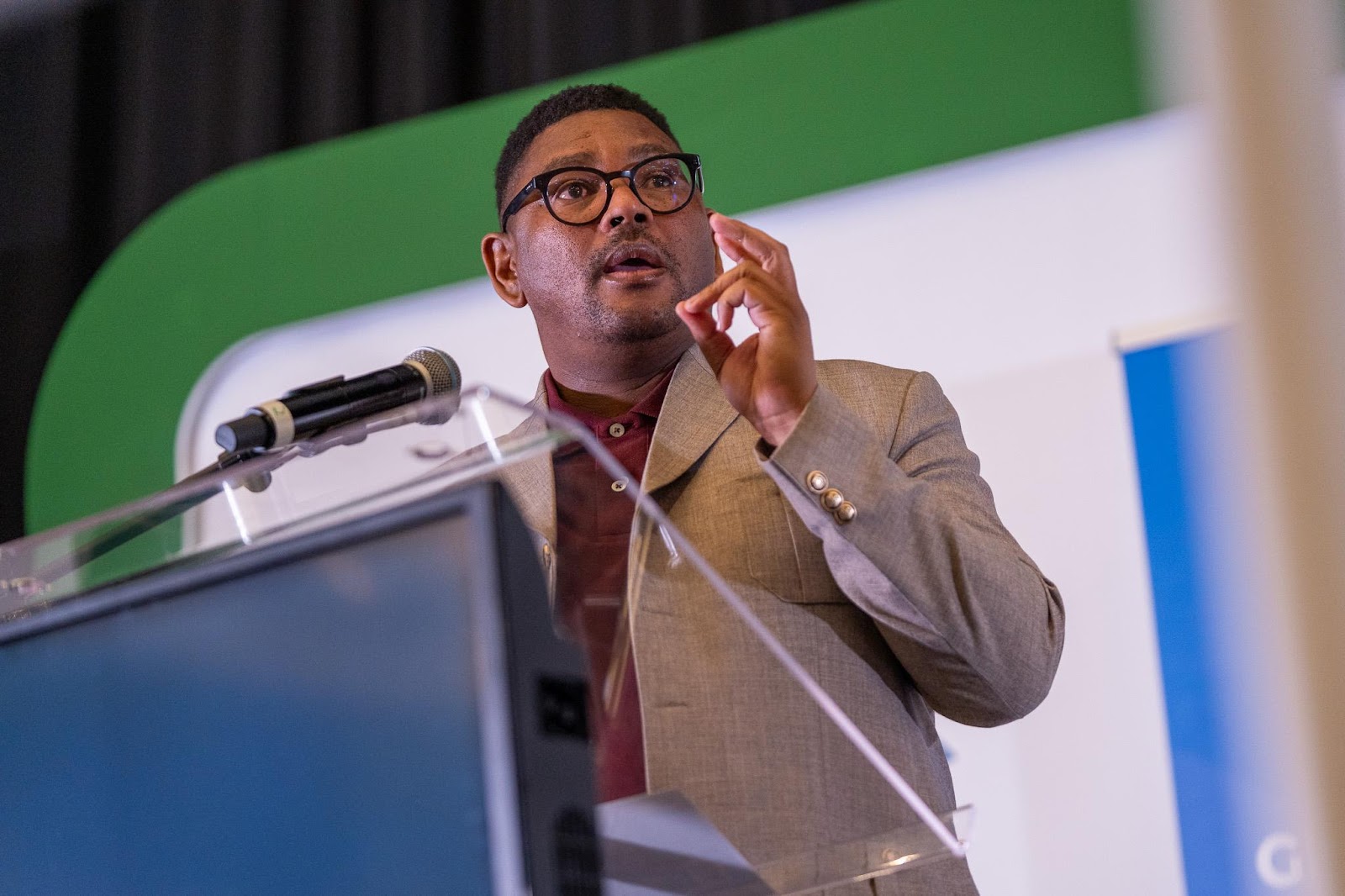
Civil 20 Chair Thulani Tshefuta delivered one of the day’s strongest calls to action, pressing the G20 to treat health as an enabler of the right to life and to establish a permanent G20 task force on gender equality and WNCAH. “A right to life, minus health, means that the right is not complete.”
A G20 social summit declaration
The G20 social summit declaration issued from the 3 days of conversation recognized young people and as key actors of development, calling for their improved engagement. It also called for stronger accountability and focus on women, children and adolescents as populations to prioritize.
Panel Discussions
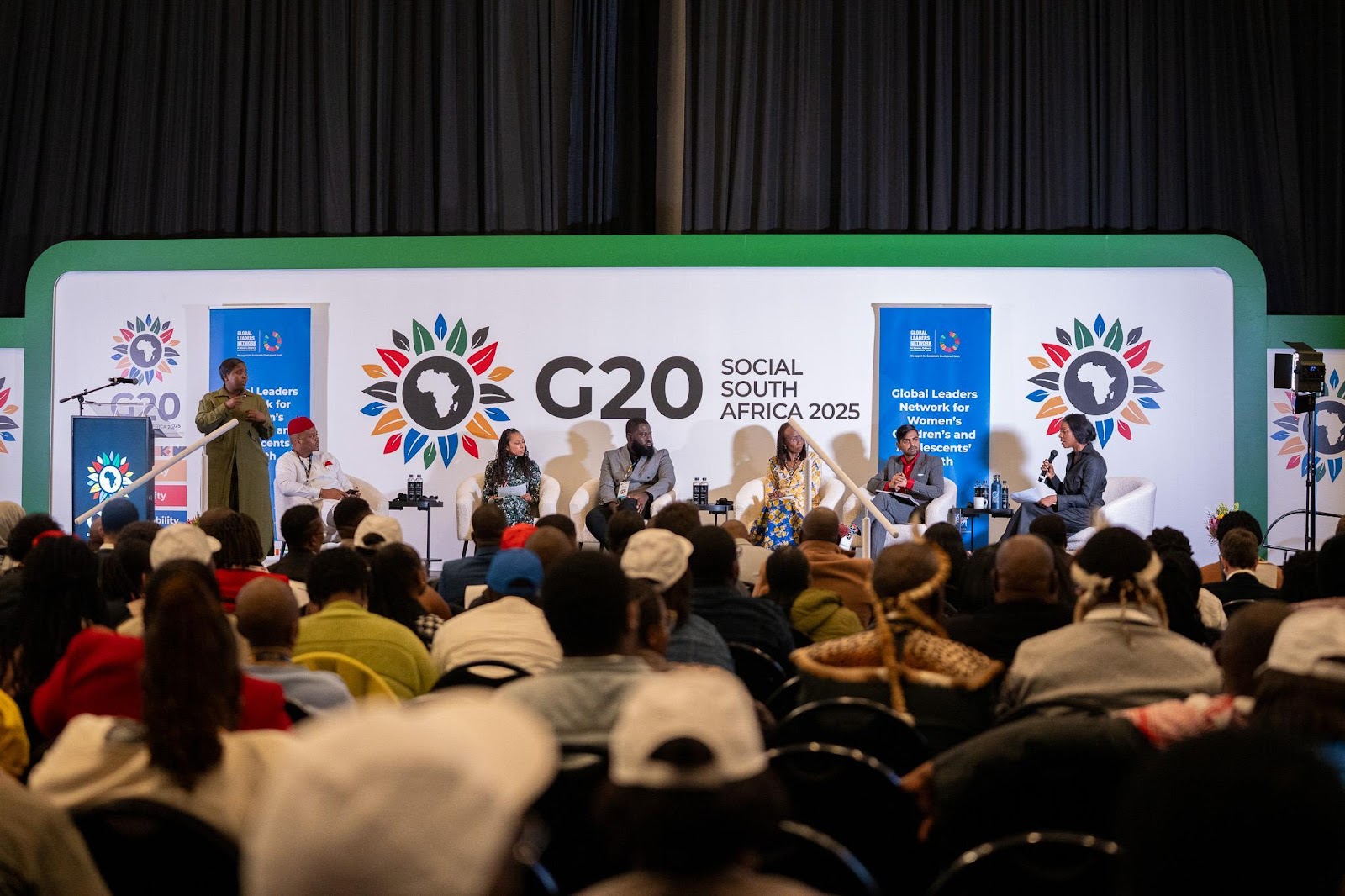
From Left to Right: Dr Obinna Ebirim (Senior Technical Advisor, Federal Ministry of Youth Development, Nigeria), Greer Shoeman (Policy & Content Technical Lead, C20), Kobe Juwan Smith, (Executive Director, Responsible Parenthood Association, Guyana), Dr. Joan Nyanyuki (Chief Executive Officer, African Child Policy Forum), Levi Singh (Sherpa, Y20 South Africa)
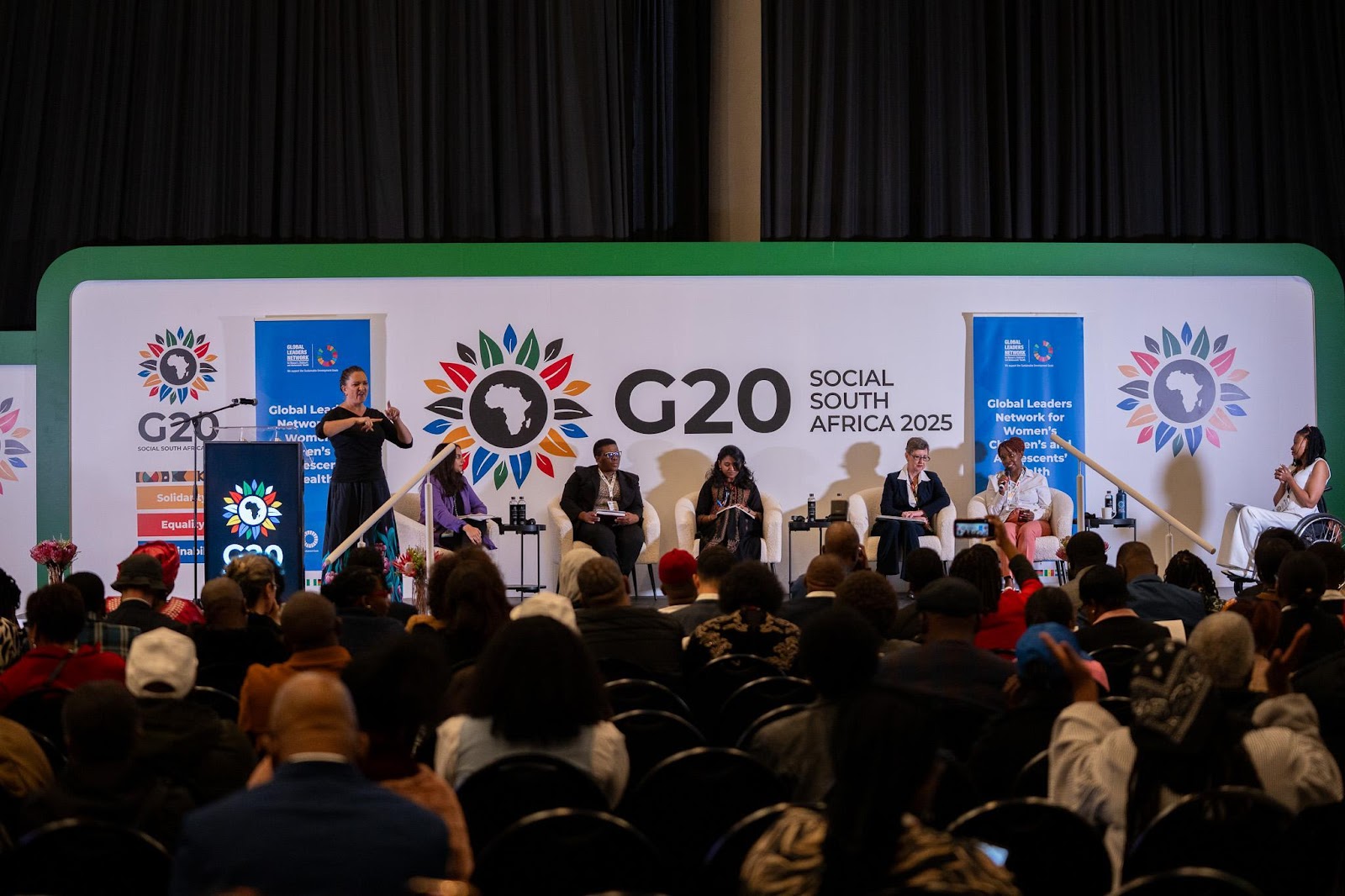
From Left to Right: Dr. Shakira Choonara (Independent Public Health Practitioner), Babalwa Mbono (Community Health Worker advocate, mothers2mothers), Sharmilah Rajendran (Senior Program Manager, Asian-Pacific Resource and Research Centre for Women), Prof Narnia Bohler-Muller (Co-Chair, W20), Mpiwa Tsanga (Women and Gender Equality Lead, C20)
Watch the recording
Media Coverage and Interviews
Channel Africa: G20 Social Summit side event underway ahead of the G20 summit this coming weekend
METRO FM Talk with Faith Mangope
Channel Africa: Nigeria’s Maternal Health Crisis & the Push for an AU Agenda Item