
.png?sfvrsn=6d0e27cd_1 "Partnership for Change - v7 (1)")


“The laws that do not protect women in reality are the same laws that fail to protect them online”, said Afraa Al-Hariri, a Yemeni lawyer, human rights defender, and Country Director of the Peace Track Initiative.
In a new brief on digital violence across the Arab States, UN Women’s findings reflect Al-Hariri’s insight. Across the region, 49 per cent of women internet users reported that they do not feel safe from online harassment – and nearly half of women who experienced online violence stated that the abuse moved into physical spaces.
As part of the global “16 Days of Activism against Gender-Based Violence” campaign, UN Women is partnering with Yemen’s Ministry of Justice to strengthen the justice system’s ability to combat technology-facilitated violence – offering better support for survivors and dragging perpetrators out of the shadows.
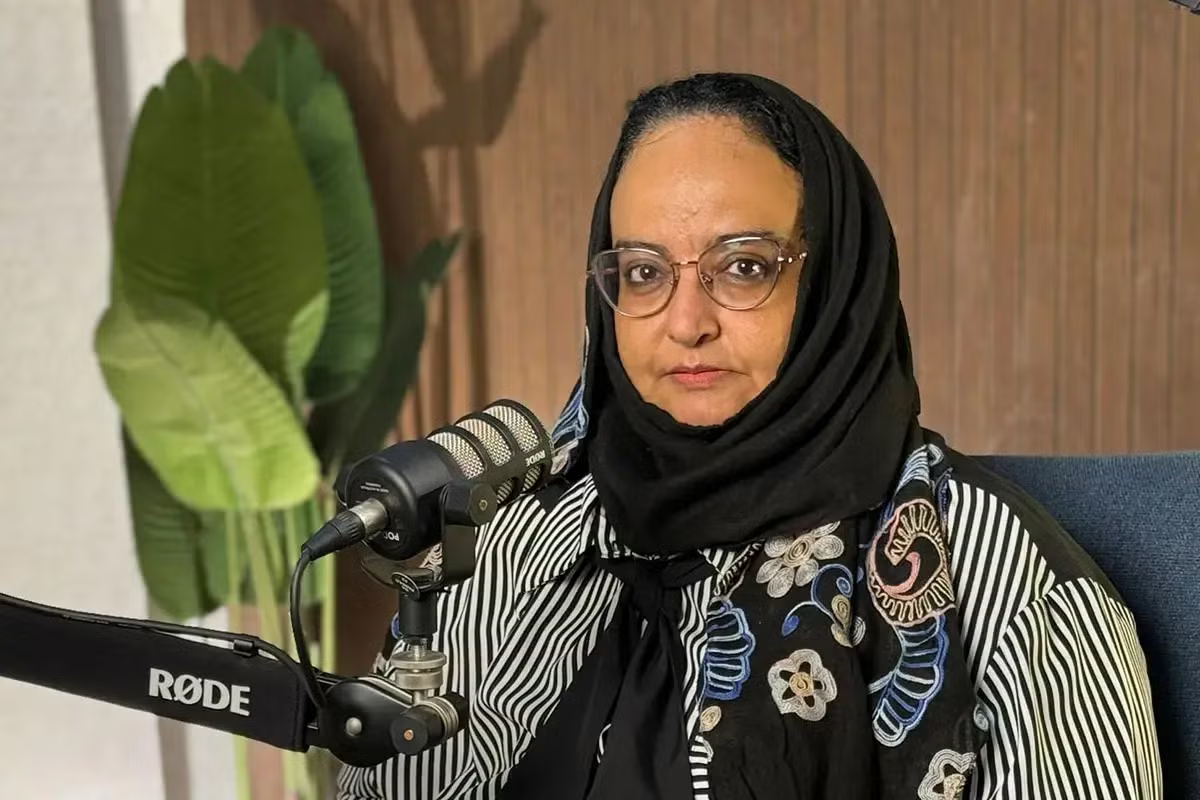 Afraa Al-Hariri, lawyer and Country Director of the Peace Track Initiative. Photo: UN Women Yemen/Alanoud Akram
How social stigma enables digital abuse in Yemen
In Yemen, like in many other countries, online spaces have become extensions of real-world gender inequality; places where sexual harassment, blackmail, and defamation can follow women into every aspect of their personal and professional lives. “The most common and harmful form involves using women’s photos, sharing them, and threatening them with exposure”, explained Al-Hariri in a recent interview, following a UN Women cybercrime workshop she led. Perpetrators may threaten to share images of a woman – real or fake – to harass, shame, and extort her.
Making matters worse is the social stigma that effectively silences many survivors. “The social norms that treat women as ‘shameful’ in real life are the same norms used against them online”, said Al-Hariri.
Many survivors of digital blackmail and fraud are pressured out of filing formal, public complaints to protect what is seen as their family’s honor. This culture of silence shields perpetrators and leaves women without legal recourse. “Many victims are forced to pay money [to their blackmailers] that they cannot afford. Some women do report or file complaints… but many remain silent due to the stigma and shame they fear will follow them”, said Al-Hariri.
Real stories: The devastating impact of online violence on women and girls in Yemen
In a UN Women interview with a young Yemeni peacebuilder, she described the chilling effect of digital abuse: “On social media, people falsely accuse [Yemeni peace activists] of being spies for other countries. At one point, I chose to stop posting about my work online because of the backlash I was facing.”
Many survivors of online violence experience fear, depression, and isolation – but the impacts often go beyond the psychological. Another woman, a beauty salon owner in Aden, shared how a perpetrator created fake online profiles to post manipulated photos of her. Within weeks, her business collapsed and her friends disappeared – leaving her financially devastated and without social support.
Worse still, online violence can turn deadly. In another case, a woman who sent her mobile phone to be serviced had her personal photos stolen by the technician – including photos of her without her veil. After he uploaded the photos onto social media, the victim’s husband found out and killed his wife. While the husband was charged, there was no law to prosecute the technician.
In yet another tragic instance, in Al Hudaydah, ongoing domestic violence and digital extortion led a girl to end her own life. “It is rare to find a woman activist who has not been subjected to some form of abuse, insult, or defamation online.” Afraa Al-Hariri
Equipping the justice system to combat new forms of violence
Several years ago, as more women – survivors of digital abuse – began to seek Al-Hariri’s legal advice, she knew there was little recourse for them. So, in collaboration with other women leaders, she raised the issue with Yemen’s Office of the Attorney General, leading to the creation of the Cybercrime Unit.
With the help of women’s coalitions and internet engineers, the unit was trained and equipped – and has since recorded thousands of official complaints of digital abuse and blackmail.
Chronic underreporting means that these thousands of stories don’t represent the true scale of the problem. Regardless, it is clear: Yemen’s justice system must be prepared and proactive. Al-Hariri and her partners wanted to take their efforts further by training judges and security officers, strengthening the links between these institutions that are responsible for protecting women and girls.
UN Women’s recent cybercrime workshop for law enforcement, prosecutors, judges, and other officials, facilitated by Al-Hariri, was designed to build capacity within the justice system to understand, prevent, and respond to digital blackmail. That includes how to use different tools to track perpetrators – and bring them to trial.
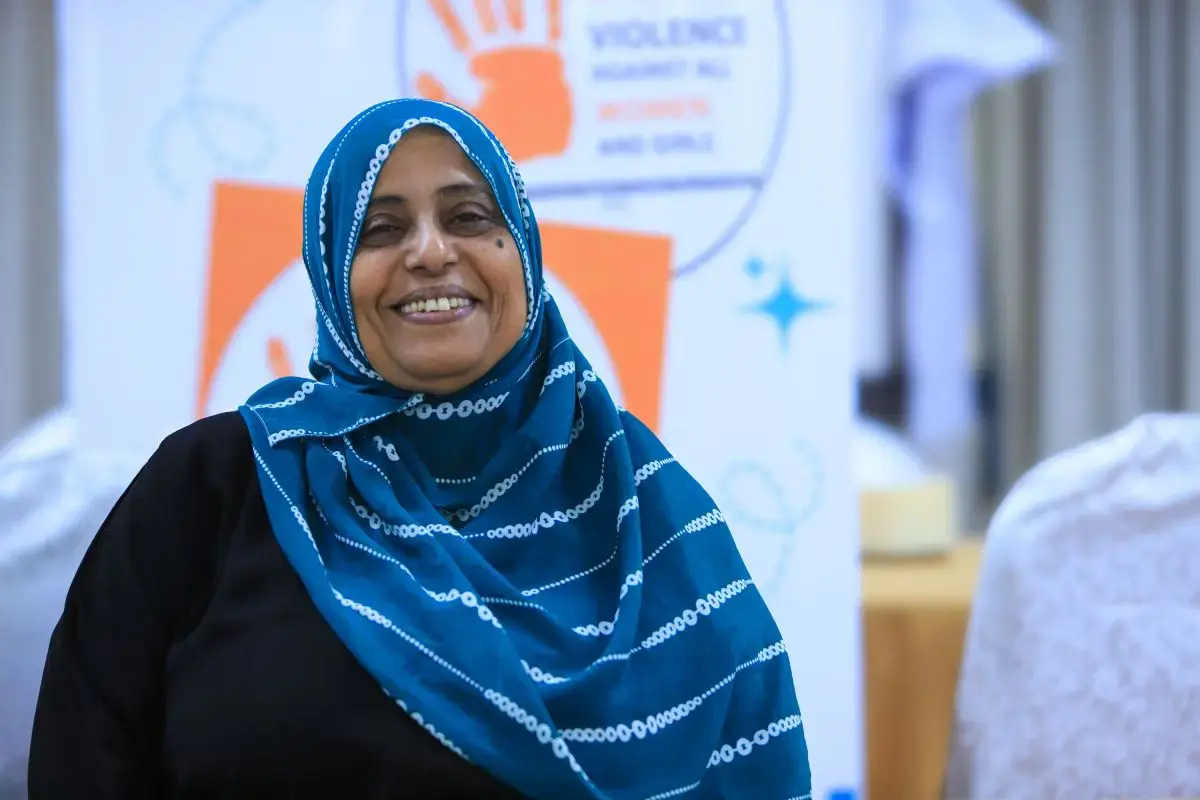 Fatima Yaslam, cybercrime workshop participant and Director of Working Women’s Development Department in Yemen’s Ministry of Social Affairs and Labor: “We hope this workshop helps elevate our voice to higher authorities so there will be clear executive regulations linked to the crimes and penalties law to address digital blackmail.” Photo: UN Women Yemen/Mohammad Amin Al-Mokaddam
Participants responded to the revelations: “The course helped us recognize our strengths, as well as our weaknesses”, said Fatima Yaslam, Director of the Working Women’s Development Department in Yemen’s Ministry of Social Affairs and Labor. “Now we are moving into the serious part: How to fight this phenomenon and raise awareness about it in society and within the justice system.”
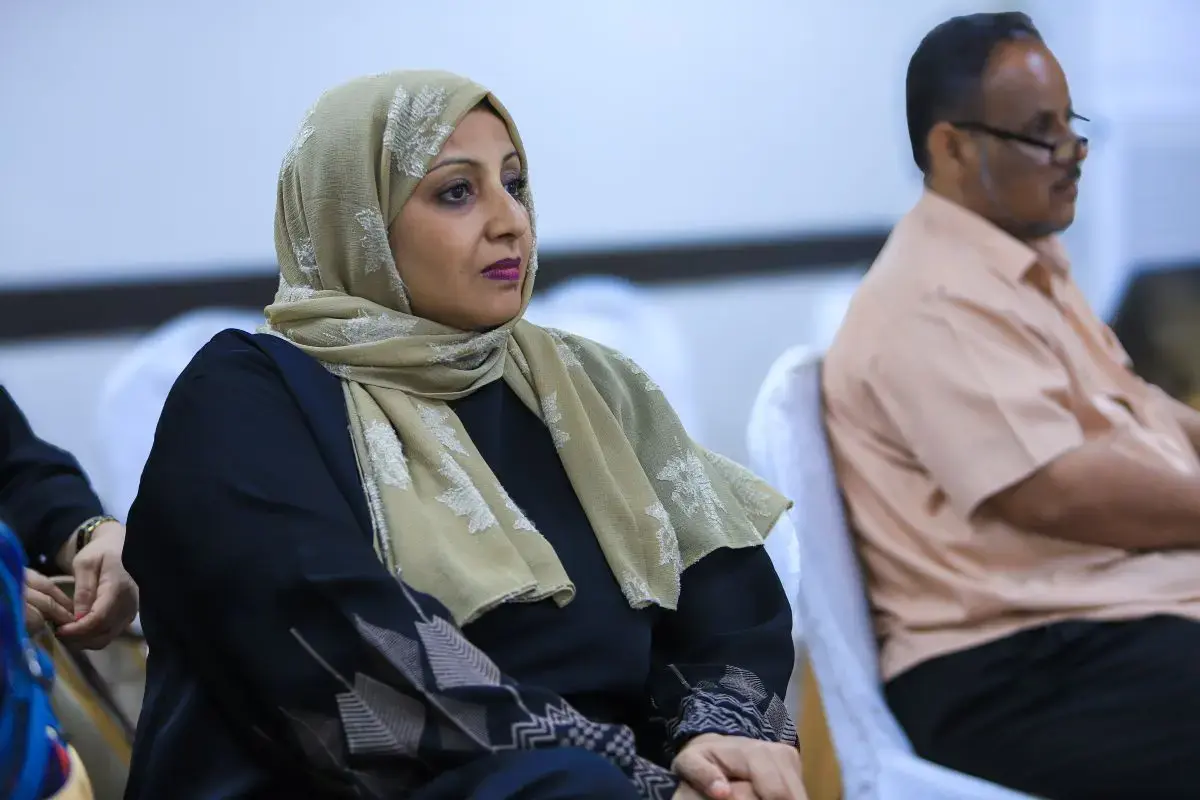 Judge Anmar Abdullah Saeed, cybercrime workshop participant and Member of Seera Primary Prosecution: “Our role now is to raise community awareness about blackmail laws, how to respond to digital extortion, and the importance of reporting.” Photo: UN Women Yemen/Mohammad Amin Al-Mokaddam
UN Women is committed to safer digital spaces for all women and girls
Women and girls must seek safety and justice “to defend their rights”, said Al-Hariri – who herself has faced bullying and defamation online. Anyone in Yemen who is experiencing digital violence can now file reports with the Attorney General’s Office.
The efforts highlighted here were made possible with the support and collaboration of the For All Foundation for Development and the Yemen Women National Committee. UN Women – together with civil society and government partners, and leaders like Al-Hariri – continues to advocate for stronger protection mechanisms, survivor-centered responses, and laws that address gender-based violence in Yemen – in all its forms.
This article was originally published by UN Women