
.png?sfvrsn=6d0e27cd_1 "Partnership for Change - v7 (1)")


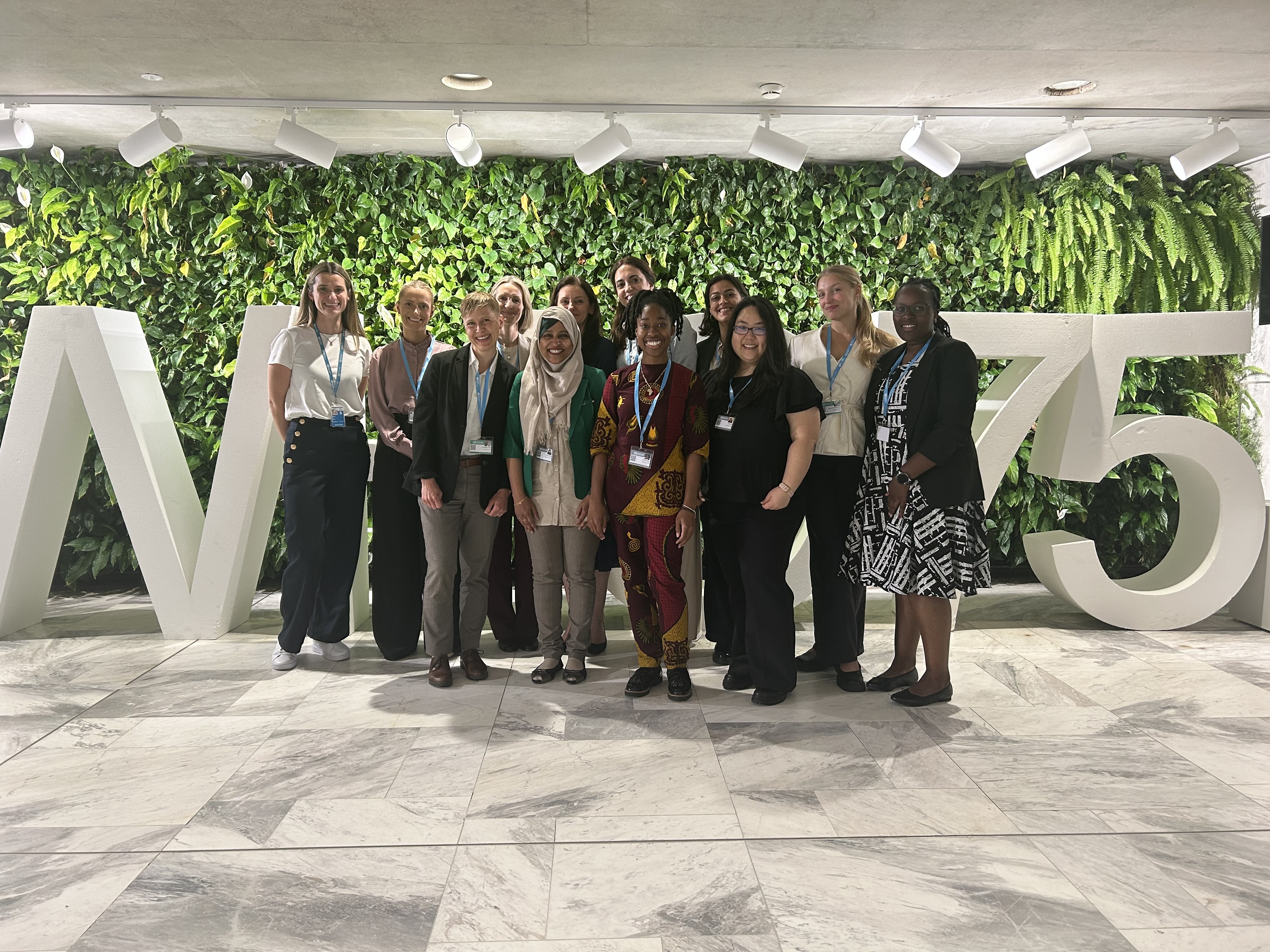
Young researchers from The University of Oslo presented the findings from their projects on commitments for women’s, children’s and adolescents’ health and well-being at the World Health Organization Headquarters today.
In a full-day workshop, 10 students of public health outlined the national commitments for 10 countries grouped by PMNCH’s thematic areas — maternal, newborn and child health; sexual and reproductive health and rights; and adolescent health and well-being, based on the work they had undertaken during a 6-month program in collaboration with the Partnership for Maternal, Newborn and Child Health. The program asked students to collate a small group of country commitments for key global initiatives in relation to WCAH, including the Sustainable Development Goals, Every Newborn Action Plan and Ending Preventable Maternal Mortality (ENAP-EPMM), The Global Financing Facility for Women, Children and Adolescents (GFF), Family Planning 2030 (FP2030), Generation Equality Forum, and the International Conference on Population and Development @25/@30 (ICPD@25/@30). These collated data will be used by PMNCH to develop a comprehensive dashboard on WCAH commitments that will be made publicly available. The dashboard is planned to be launched later in 2024.
During the workshop, students were given the opportunity to meet PMNCH advisors in-person and reflect on the lessons learned during their program and discuss how their work could be used to drive WCAH advocacy and accountability. Guest speaker, Mr Hester Nyasulu, Country Manager at Amref Health Africa, Malawi, addressed the students giving an in-country perspective, outlining the many challenges associated with accelerating action on women’s, children’s and adolescents' health and well-being, including adequate financing for health systems and on-the-ground implementation of commitments.
PMNCH is committed to empowering young people around the world. Our What Young People Want survey asked youth around the world for their priorities for the future, with education and training opportunities being number one across the board. The need for education and training opportunities was also underscored as one of 5 key areas of focus for promoting adolescent well-being, outlined in the landmark report, Adolescents in a changing world – The case for urgent investment, released last week during the 77th World Health Assembly.