
.png?sfvrsn=6d0e27cd_1 "Partnership for Change - v7 (1)")


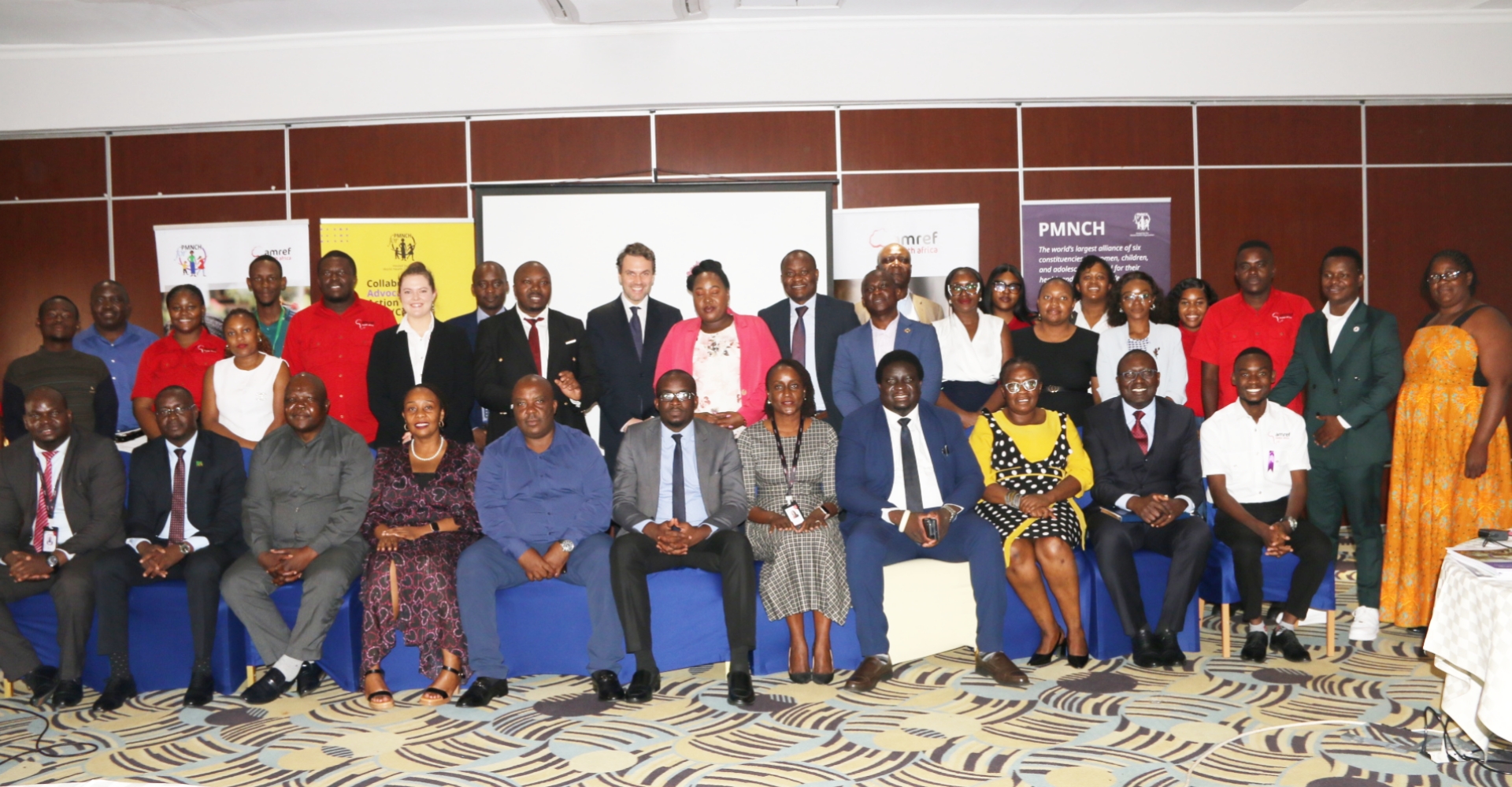
One only needed to look around the room to understand the significance of the moment: Members of Parliament from the Health Committee and the SRHR Caucus, senior officials from the Ministries of Health and Finance, decentralised health representatives, youth advocates, community health workers, civil society organisations, technical partners, and legal experts all seated together to discuss how to improve transparency in SRHR fund allocations and expenditure.
This gathering demonstrated how far the CAAP initiative has come in creating spaces for meaningful, cross-constituency dialogue, rooted in the voices and lived experiences of communities, especially adolescents and youth.
Adolescents and youth as engines of national progress
Throughout the discussions, participants returned to a central message: adolescents and youth hold the key to Zambia’s social and economic future. Ensuring their access to quality health services and education is both a moral imperative and a strategic investment.
Parliamentarians spoke candidly about the cost of inaction. Teenage pregnancy was described as a national development emergency that undermines skills development, perpetuates inequality and slows progress. Several MPs called for investment cases and return-on-investment analyses to guide future decisions.
Adolescent girls’ testimonies gave urgency and humanity to the dialogue. When girls become mothers before adulthood, they lose the opportunity to complete school, develop their talents and participate fully in society. “These girls leave school before they even understand who they are or what they can become,” one participant reminded the room.
A mature, trusted dialogue between institutions and communities
The CAAP platform has nurtured a level of trust and institutional openness that participants described as rare and transformative. Amref Health Africa in Zambia and the national Multi-Stakeholder Platform are helping establish a culture of continuous engagement, mutual respect and shared accountability, connecting community realities to national processes.
"I appreciate the coming together of a strong and well-prepared coalition that speaks with one voice. This unity creates the conditions for a constructive and meaningful collaboration with Members of Parliament to improve the health outcome of our people." - Hon. Christopher Kang'ombe, National Assembly, Zambia
MPs noted that advocacy for adolescent health usually reaches them in fragmented forms, making it difficult to champion. CAAP is shifting this by bringing forward one coherent, evidence-informed narrative. Participants emphasised that integrated engagement, where youth, CSOs, ministries, MPs and frontline workers speak collectively, is far more influential than siloed appeals.
The dialogue also demonstrated deeper institutional maturity. CAAP is breaking down sectoral silos, bridging gaps between ministries and connecting national debates with realities on the ground. “Sitting at the same table with MPs, ministries and youth advocates gave me an opportunity I never had before to be heard,” a coalition member shared.
Youth voices shaping the national agenda
A defining strength of CAAP in Zambia is the institutionalisation of youth voices. Adolescents and young advocates participated actively in the discussions, and MPs underscored that youth leadership is essential if Parliament is to credibly advocate for reforms.
Youth speakers described the realities of teenage pregnancy: how daughters of disadvantaged families struggle to remain in school, how harmful norms push girls into early adulthood and how the absence of adolescent-friendly services leaves them unsupported. These testimonies grounded the political debate in lived experience and reinforced that policy must reflect the needs of those it aims to serve.
Community health workers echoed these concerns, pointing to the lack of safe, adolescent-friendly spaces in facilities and communities. For many pregnant girls who lack family support, community health workers become the only stable adult presence in their lives, offering guidance in moments of vulnerability.
Participants agreed that centering youth and community voices early in the design of policy recommendations is essential to ensure the coalition’s demands reflect real needs.
From community realities to political commitments
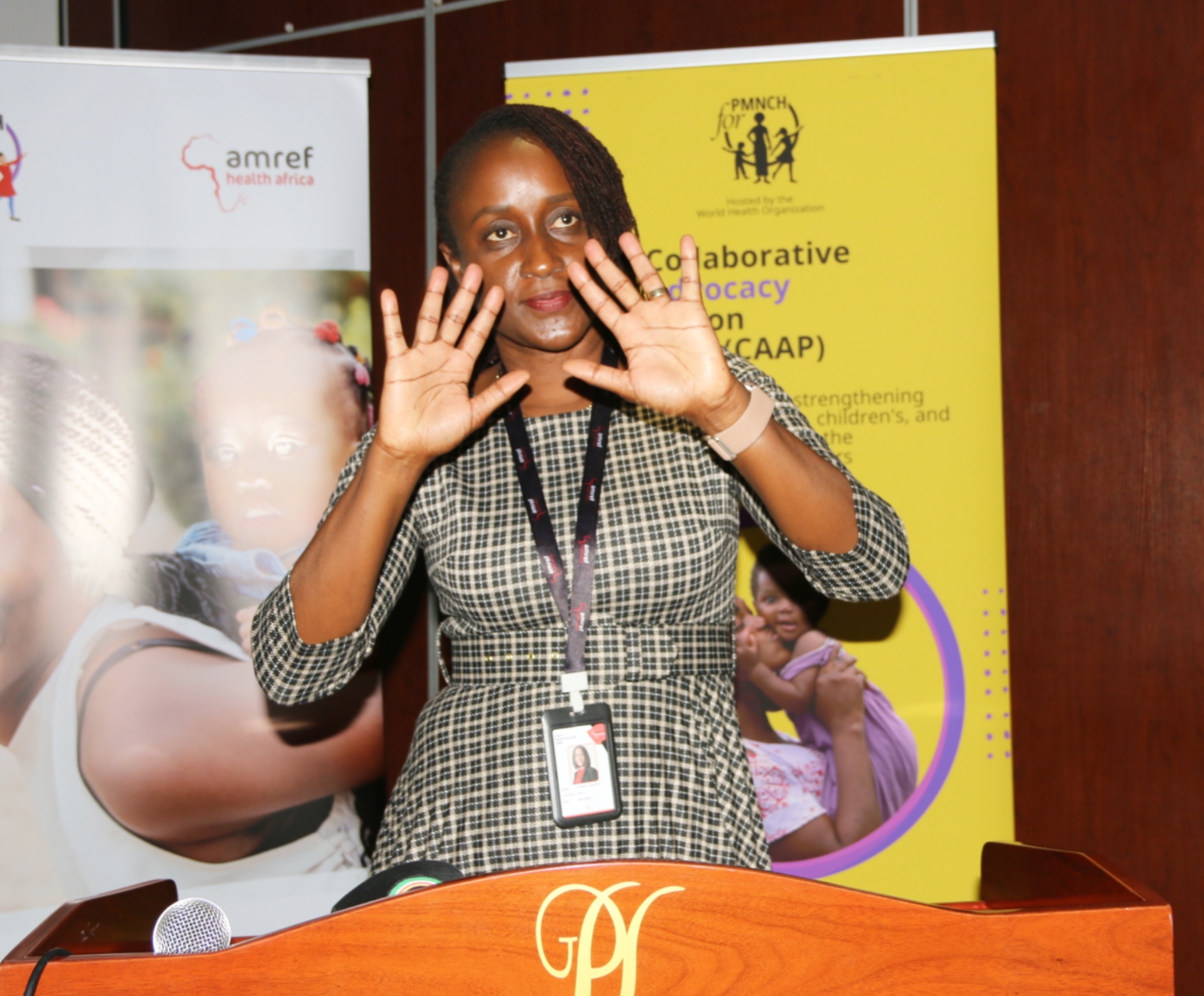
Debate on the Policy Brief showed both strong political resolve and close engagement with community perspectives. MPs acknowledged the urgent need for increased SRHR funding and advised the co-creation of realistic proposals. One key discussion focused on the Constituency Development Fund (CDF): while CDF can support local interventions, it cannot address a national issue of this scale.
Participants therefore urged a shift toward strengthening central government systems and embedding adolescent SRHR into national financing structures. This led to widespread endorsement of an inter-ministerial financial tracking system as a mechanism to improve transparency across ministries, clarify institutional responsibilities and strengthen parliamentary oversight.
Stakeholders recognised that Zambia currently has no standalone budget line for adolescent health or SRHR, making expenditures difficult to track. A unified financial tracking system was seen as a necessary first step toward accountability, evidence-based planning and eventual budget reform.
CAAP as a connector across national, regional and global platforms
Participants also highlighted the importance of convergence. CAAP has helped align national advocacy with regional and global commitments and provided a platform to link community insights with international best practices. It is also helping elevate Zambia’s efforts within global discussions on SRHR and MNCH.
Building the foundations for sustainable adolescent health reforms
Across ministries, parliament and civil society, there was strong recognition that CAAP has become a trusted, credible and politically relevant advocacy mechanism. Stakeholders praised the platform for sustaining a safe, neutral space where evidence, lived experience and political perspectives can be discussed openly.
Youth and community voices are no longer peripheral as they are shaping the narrative by taking the lead in outlining advocacy priorities, refining policy options, and informing the next phase of parliamentary engagement. As MPs emphasised repeatedly, this convergence across political, technical, civic, and community actors is essential to drive sustainable reform.
The commitments expressed during the dialogue, particularly around financial transparency, strengthened cooperation between health and finance ministries and greater investment in adolescent wellbeing, underscore a shifting political landscape. Zambia is laying the foundations for stronger and more accountable adolescent health policy-making and financing.
"Through the CAAP platform, we are strengthening engagement with parliamentarians and senior political leaders. This dialogue demonstrates the growing influence of our advocacy in securing their active participation in key political discussions." - Levy Mkandawire, Programs Manager, Amref Health Africa Zambia

Agreed actions
Participants concluded the dialogue with a clear set of next steps to sustain momentum and translate the discussion into concrete progress.
- Streamline the policy brief to focus on the inter-ministerial integrated financial tracking system.
- Convene technical consultations with the Ministries of Health, Local Government and Community Development and Social Services to refine the system’s structure, roles, and reporting lines.
- Develop a concise parliamentary ask for presentation to the Committee on Health and the SRHR Caucus.
- Continue engaging MPs across political parties to build broad-based support for SRHR financing transparency and coordination.
- Support the CAAP Coalition in preparing an advocacy roadmap ahead of the May 2026 parliamentary dissolution.
- Maintain multisectoral engagement, prioritising youth and community voices throughout policy and advocacy efforts.
Together, these agreed actions position the coalition to advance a more coherent, transparent and accountable advocacy approach to adolescent SRHR in Zambia.