
.png?sfvrsn=6d0e27cd_1 "Partnership for Change - v7 (1)")


Investing in Women’s, Newborns’, Children’s, and Adolescents’ Health: A Moral and Economic Imperative
Investing in the health and rights of women, newborns, children, and adolescents remains one of Kenya’s strongest pathways to sustainable development. When women survive childbirth, when newborns thrive, and when families access nutrition and reproductive health services, communities prosper, and national productivity rises.
Evidence from the Kenya RMNCAH+N Investment Case 2025/26–2029/30 shows that every Shilling invested in RMNCAH+N returns more than 12 Shillings in social and economic gains by 2030, through fewer health emergencies, stronger human capital, and improved employment for young people and parents.
Despite progress, preventable deaths remain unacceptably high. An estimated 14 women die every day in Kenya from pregnancy-related complications, and the country’s maternal mortality ratio remains higher than neighbouring Ethiopia, Uganda, and Tanzania. These persistent challenges highlight the urgent need for stronger legal protections, sustained financing, and robust parliamentary oversight to safeguard women’s and children’s health.
HENNET and KEWOPA Convene High-Impact Parliamentary Dialogue on MNCH Legislation
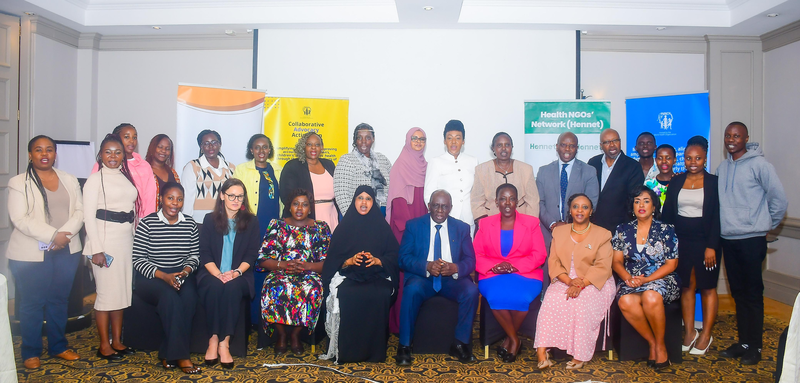
As part of the Collaborative Advocacy Action Plan (CAAP) initiative, on 20 November 2025, HENNET, together with the Departmental Committee on Health and Kenya Women Parliamentary Association (KEWOPA), with the support of PMNCH, hosted a high-level parliamentary dialogue in Nairobi under the theme: “Legislating to Save Lives: Strengthening the Legal Framework for Maternal, Newborn, and Child Health in Kenya.”
The dialogue brought together parliamentarians, health experts, civil society leaders, and development partners. With just four years remaining to achieve the Sustainable Development Goals (SDG) targets, speakers underscored the need for coordinated, rights-based action.
Three Priority Bills to Drive a Rights-Based, Life-Course Approach
The dialogue centered on three critical bills designed to improve RMNCAH+N outcomes across the life course:
The MNCH Bill (2023) aims to strengthen coordination, service quality, financing, and accountability at the national and county levels.
The Breastfeeding Mothers Bill (2024) promotes early childhood nutrition by safeguarding breastfeeding protections in workplaces and public spaces.
The Assisted Reproductive Technology (ART) Bill (2022), recently passed by the National Assembly and now awaiting Senate approval, provides regulatory clarity for IVF, surrogacy, and embryo donation and protects the rights of donors, parents, and children.
Parliamentarians and partners emphasized the need to fast-track these bills and establish a clear, time-bound implementation roadmap to ensure that legislative commitments translate into impact.
As shared by Senator Hon. Beatrice Ogolla, "These priority bills, the MNCH Bill, Assisted Reproductive Technology Bill, and Breastfeeding Mothers Bill offer KEWOPA members a unique opportunity to shape progressive laws that ensure access to quality maternal care, newborn survival, and nutrition for Kenyan families."
Leadership Voices: A Strong Call for Action
Hon. Dr. James Nyikal, Chair of the Parliamentary Health Committee, shared a stark picture of maternal mortality and called for robust, rights-based laws supported by adequate financing and strong county-level coordination. He urged Parliament to move swiftly on the bills and strengthen oversight of maternal and newborn health services.
"Parliament has the responsibility to deliver strong rights-based legislation that ensures coordinated, well-financed, and high-quality services." - Hon Dr James Nyikal, Chair of the Parliamentary Health Committee.
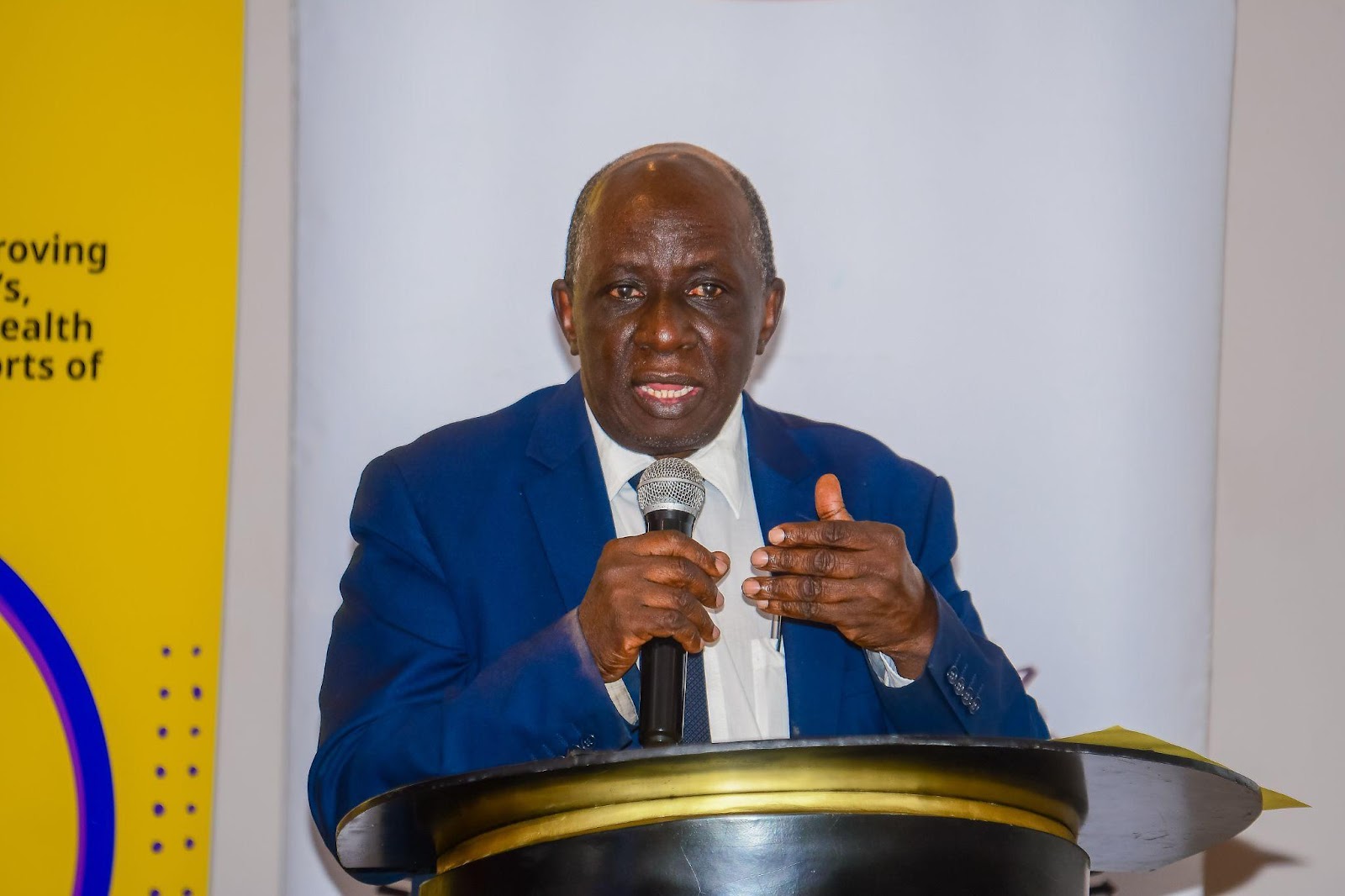
Hon Dr James Nyikal, Chair of the Parliamentary Health Committee.
Hon Senator Beatrice Ogolla, mover of the MNCH Bill, highlighted the importance of cross-party collaboration to advance the legislation, while Hon. Esther Passaris, Nairobi County Women Representative, emphasized the leadership role of women parliamentarians in promoting a gender-responsive legislative agenda.
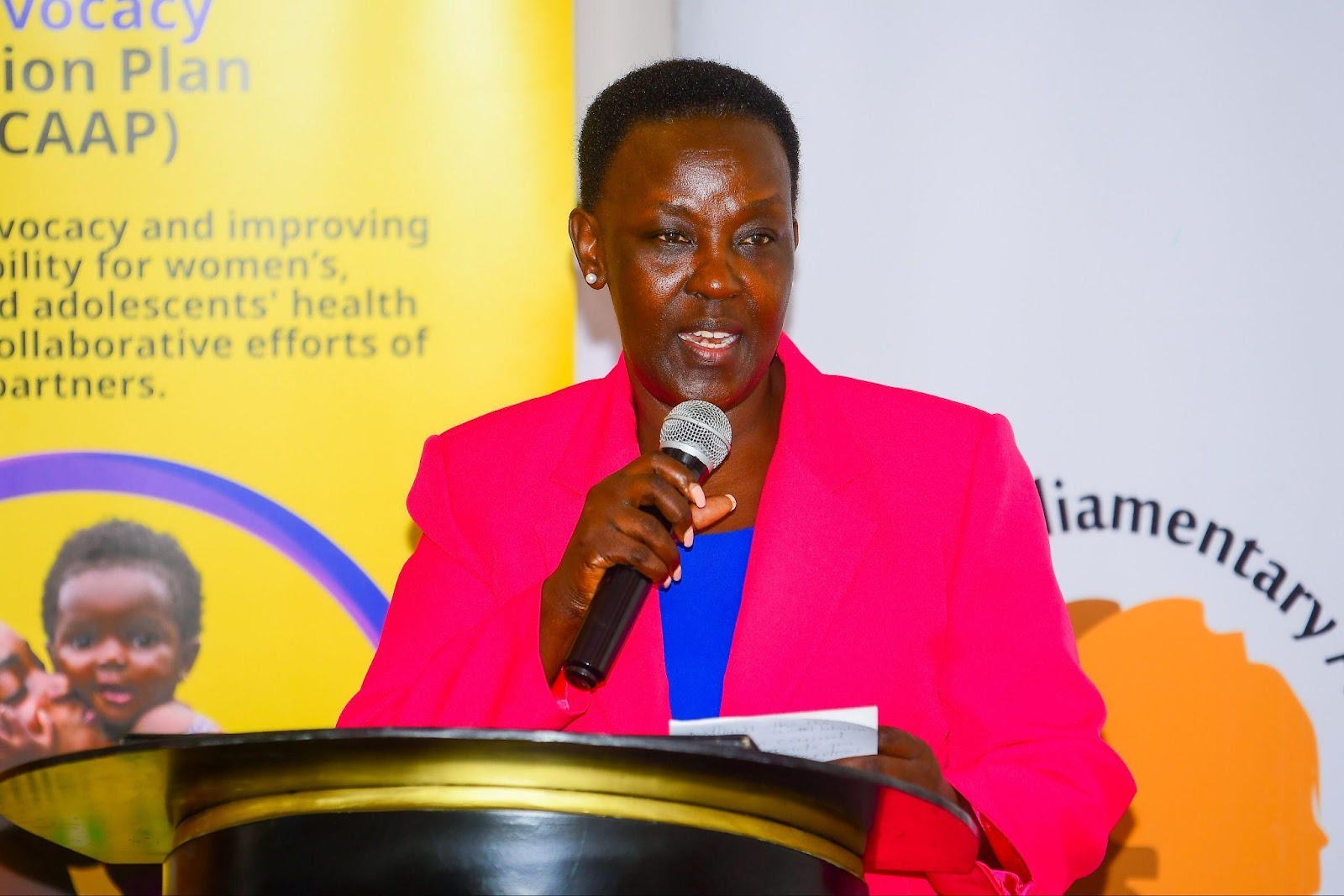
Hon. Senator Beatrice Ogolla delivering her keynote address
In her welcome remarks, Dr. Margaret Lubaale, Executive Director of HENNET, stressed that although Kenya has strong policies, gaps in implementation, financing, and accountability persist. She called for bold, purposeful action as the country edges closer to the SDG deadline.
"We have only four years to the SDGs deadline... if we continue in the same trajectory, we'll be saying the same things in 30 or 60 years, this country has no lack of policies... our problem is putting our money where our mouth is." - Dr. Margaret Lubaale, HENNET Executive Director.
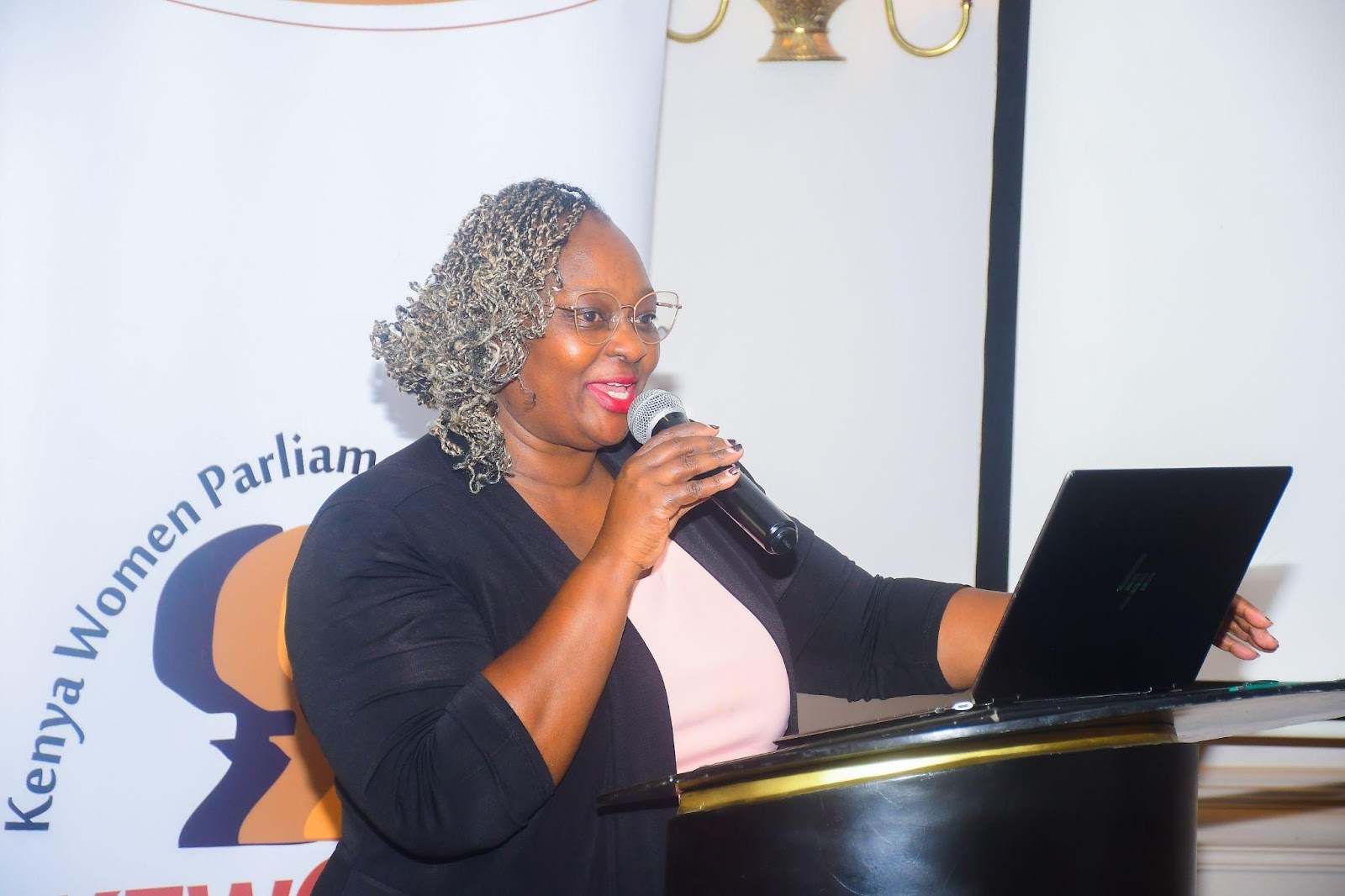
Margaret Lubaale, HENNET Executive Director.
Partners also acknowledged the strong leadership of H.E. President William Ruto and the Ministry of Health in fast-tracking progress. As a committed member of the Global Leaders Network for Women’s, Children’s and Adolescents’ Health, President Ruto continues to elevate RMNCAH+N as a national and global priority.
Despite challenges, partners emphasized the need for bold, coordinated, and rights-based legislative reform to accelerate progress across RMNCAH+N.
Ilze Kalnina, Political Advocacy Team Lead at PMNCH, emphasized global solidarity, urging lawmakers to reframe RMNCAH+N as a national priority.
From Law to Life: Ensuring Legislation Drives Real Change
In a keynote address titled “From Law to Life: Protecting Our Children and Mothers through MNCH Legal Provisions, Professor Anne Beatrice Kihara, Immediate Past President of FIGO, outlined how strong legal frameworks can accelerate Kenya’s achievement of the SDGs.
She noted that the MNCH Bill would create a coordinated accountability system and strengthen maternal and perinatal death audits, an essential step in addressing persistent stillbirths, currently estimated at 16–23 per 1000 births.
For the ART Bill, Prof Kihara noted its regulation of services like IVF and altruistic surrogacy, including donor limits, consent requirements, and protections for children and persons with disabilities, timely aligned with upcoming WHO infertility guidelines.
On the Breastfeeding Mothers Bill, she emphasized that workplace protections and strengthened enforcement of the Breast Milk Substitutes Act would improve infant nutrition and reduce inequities.
Prof. Kihara also highlighted the role of real-time data systems, FinTech innovations, Maternal and Perinatal Death Surveillance and Response (MPDSR) scale-up, and community engagement in ensuring that legislative reforms translate into measurable improvements in care. Improving data disaggregation quality and ensuring equitable access to data is one of Kenya’s five CAAP advocacy goals.
Throughout, Prof. Kihara stressed the importance of champions and the tripartite engagement of CSO, technical experts, and political leadership to accelerate towards the achievement of SDGs. As shared by Professor Kihara, "No woman should die while giving birth... we know affordable interventions; our challenge is implementation, advocacy, and accountability."
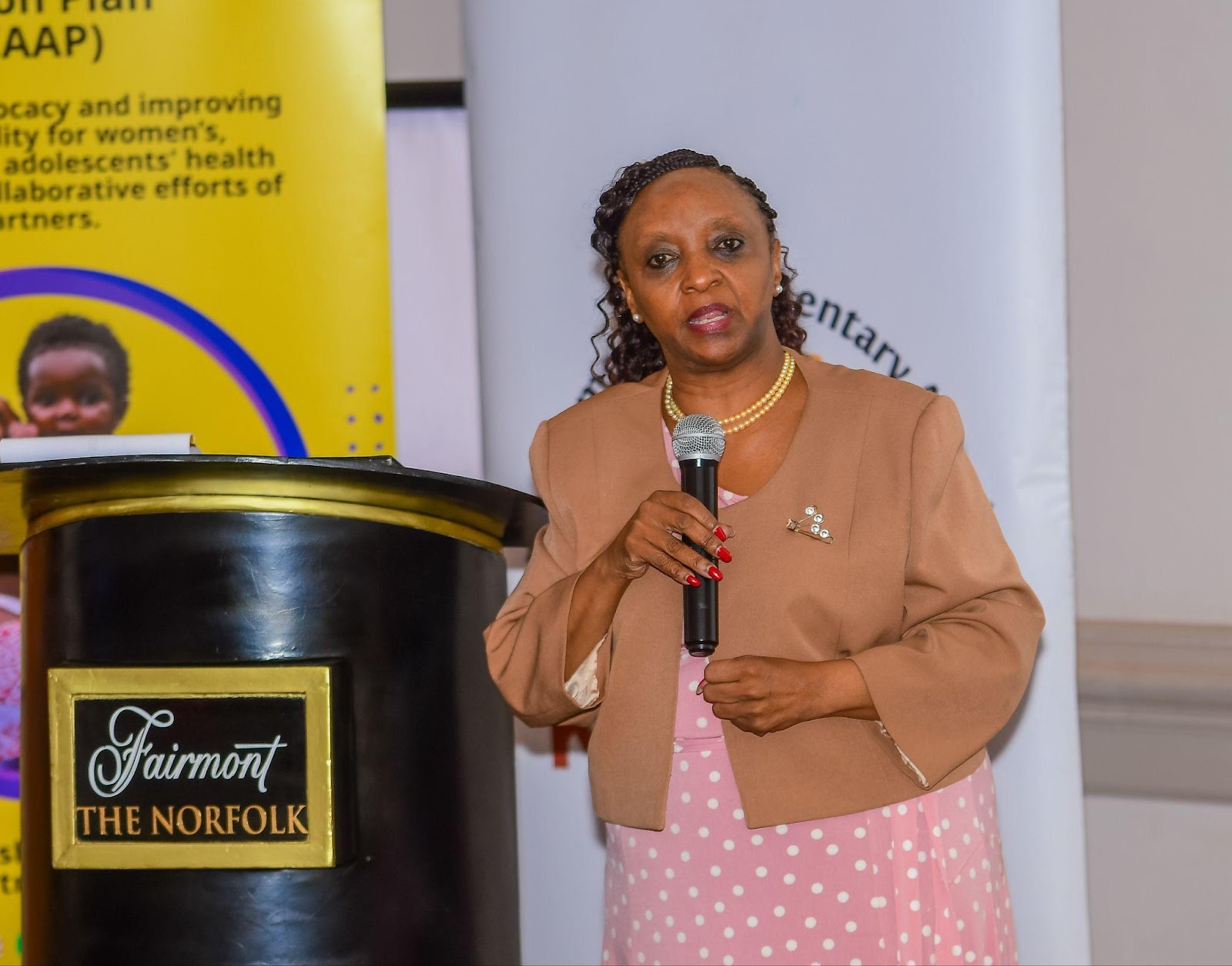
Professor Anne Beatrice Kihara, Immediate Past President of FIGO
Strengthening Policy and Legislation to Deliver for Women, Children and Adolescents
A key component of Kenya’s CAAP advocacy has been strengthening policy and legislation, and partners look forward to building on these advancements. The dialogue reaffirmed that when political will, evidence, and partnership come together, Kenya can accelerate progress and deliver the promise of health and well-being for all women, children, and adolescents.
As shared by Hon Passaris, "Let this dialogue produce a unified commitment... and a clear pathway for action."
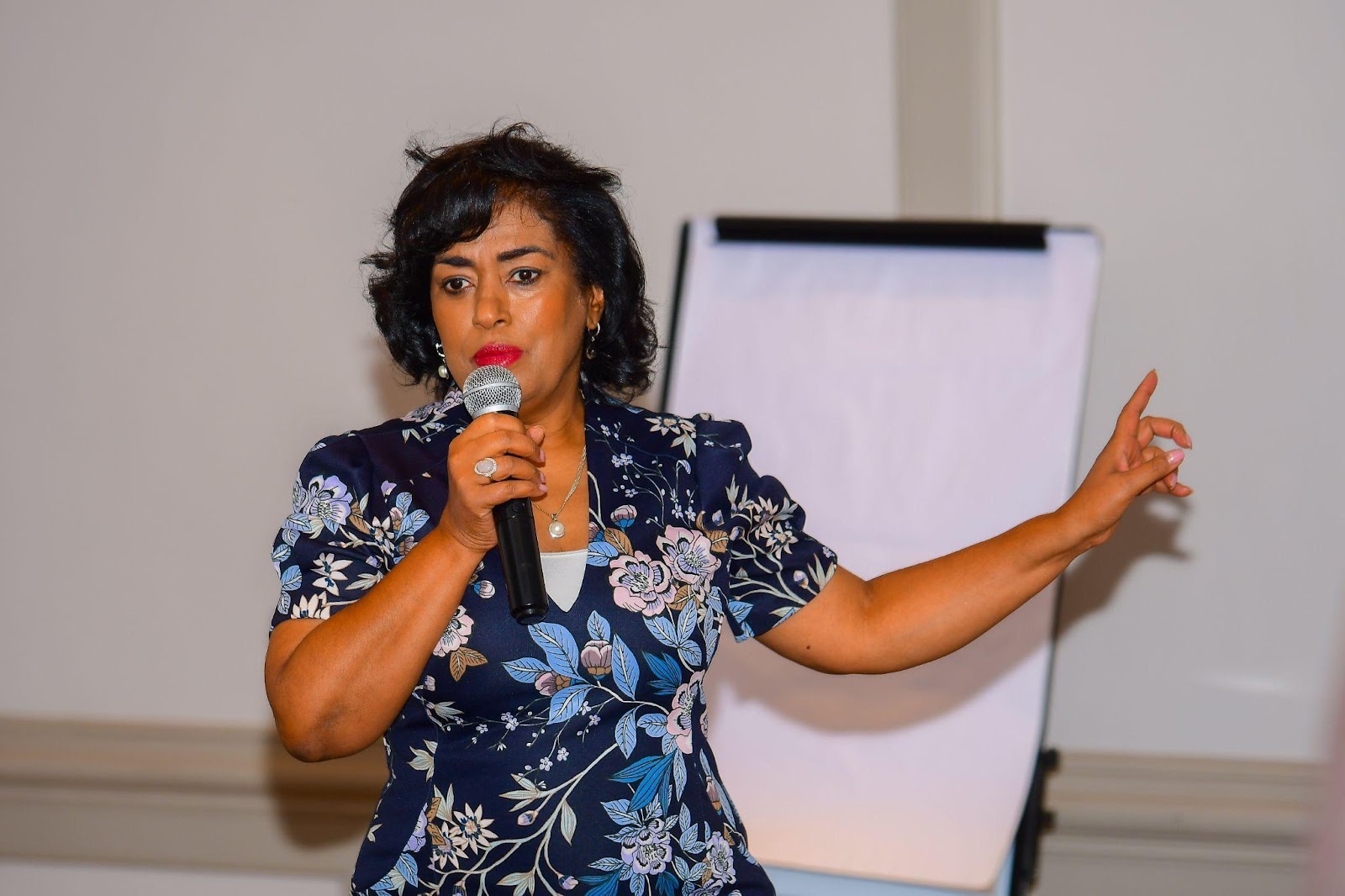
Hon. Esther Passaris delivering her remarks
About this blog
This blog was written by Lisa Mushega, Legal and Policy Officer and CAAP Kenya Focal Point and Brian Anyega, Regional Associate in Nairobi, Kilifi & Kitui for Hennet, with the support of Sarah Bald, Political Advocacy Consultant and CAAP Kenya Focal Point at PMNCH.
Learn more about Kenya’s Collaborative Advocacy Action Plan.